A letter about my aunt and father
A personal reflection on chronic illness through family history, exploring how conditions like psoriasis and neurofibromatosis shape not only individuals, but the lives of those around them.
Mine (France)
4/17/20264 min read
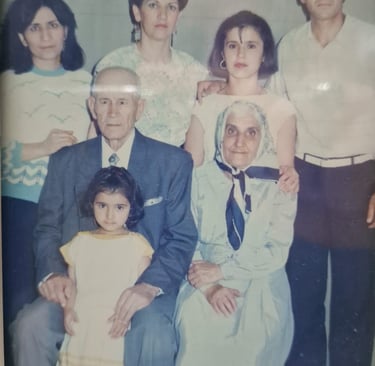
I have recently joined Young Advocates for Skin and Joint Conditions (YASJC). I was asked to write a letter about my own illness.
But as I began thinking about it, I realized something: my family’s experience with these conditions has been much larger than my own. And perhaps, like many people, I have been downplaying my own story.
I have long been interested in patient stories—how diagnoses and treatments shape people’s everyday lives. I wanted to create a space to talk about these experiences, but I could not find the right platform until I joined YASJC. It never occurred to me to start with my own family. Maybe because it is harder to face what our loved ones go through.
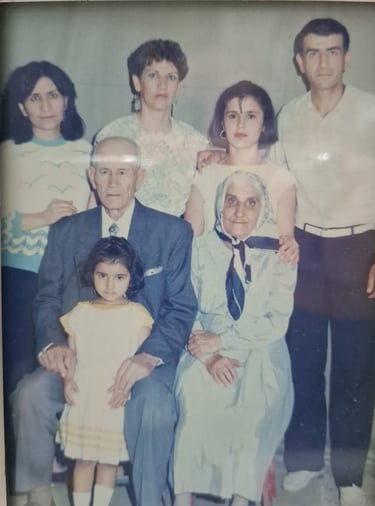
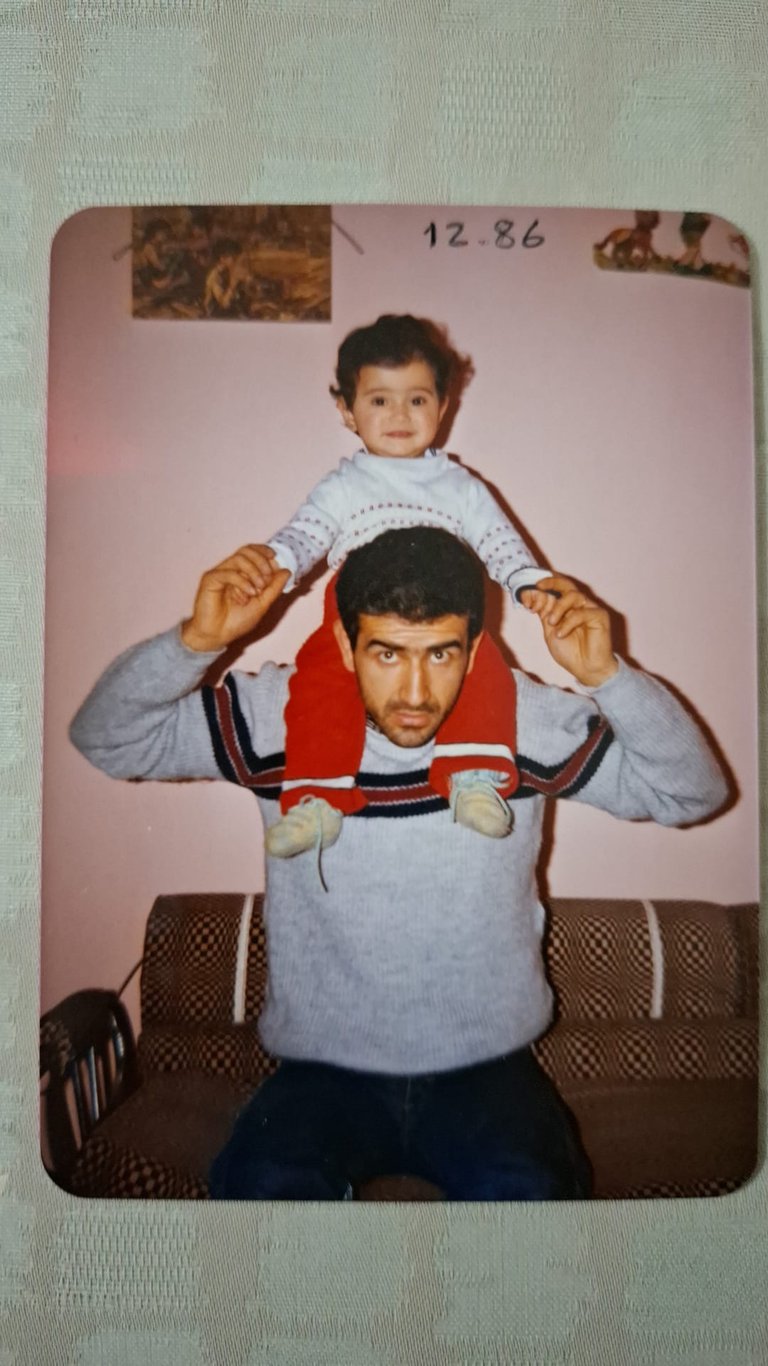
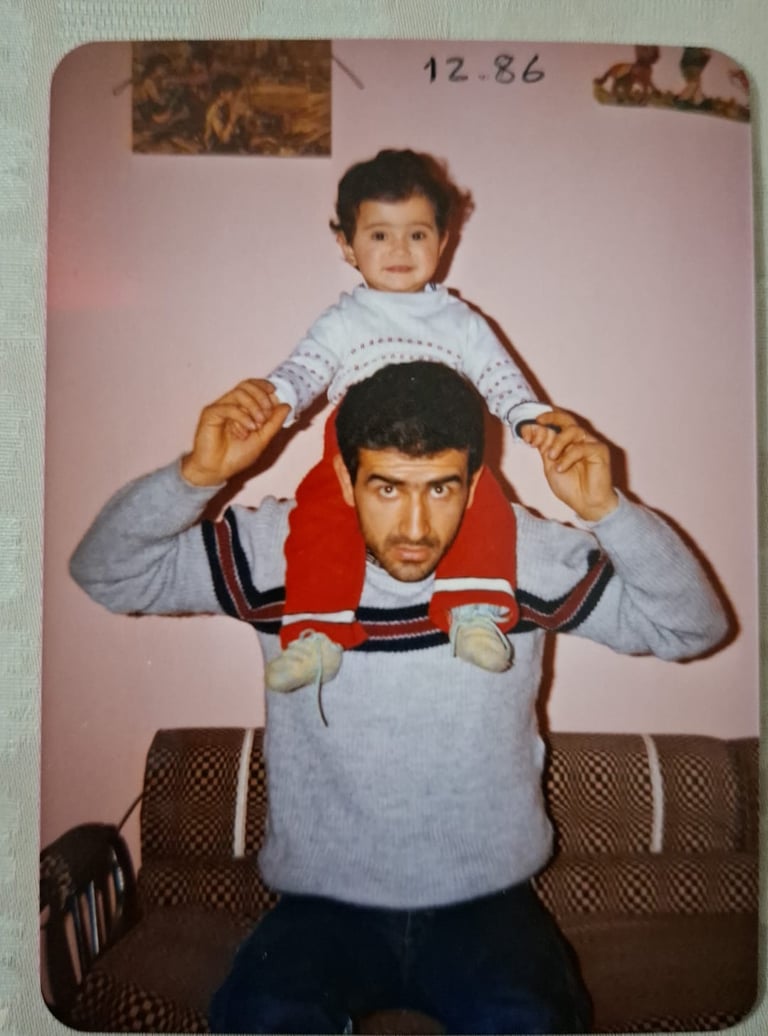
I want to start with my father.
His symptoms began when he was 21, after a stressful training camp. He experienced itching and flaking on his scalp, chest, and back. Over time, it spread to other parts of his body. For years, it was dismissed as eczema. He was only diagnosed with psoriasis in his 30s. His treatment mostly consisted of topical creams. Years later, he received radiation therapy, but it did not help.
In his early 40s, joint rheumatism developed. By his 50s, he was suffering particularly from joint pain, and he began a biological treatment administered every three months. After each treatment, his symptoms improved.
When I ask him about his condition today, I have to insist. A man who once said “my legs hurt” now says, “it’s much better now; autoimmune diseases tend to improve with age.” When I ask whether there was anything he could not do because of his illness, he says that stress and anger would worsen his psoriasis.
What I remember is more painful. I remember that when we were children, my sibling and I were sometimes blamed for triggering his condition during family conflicts, as psoriasis flares with stress and anger. I also remember that he avoided going to public swimming pools because his psoriasis was visible—and how, as a child, that made me unexpectedly sad.
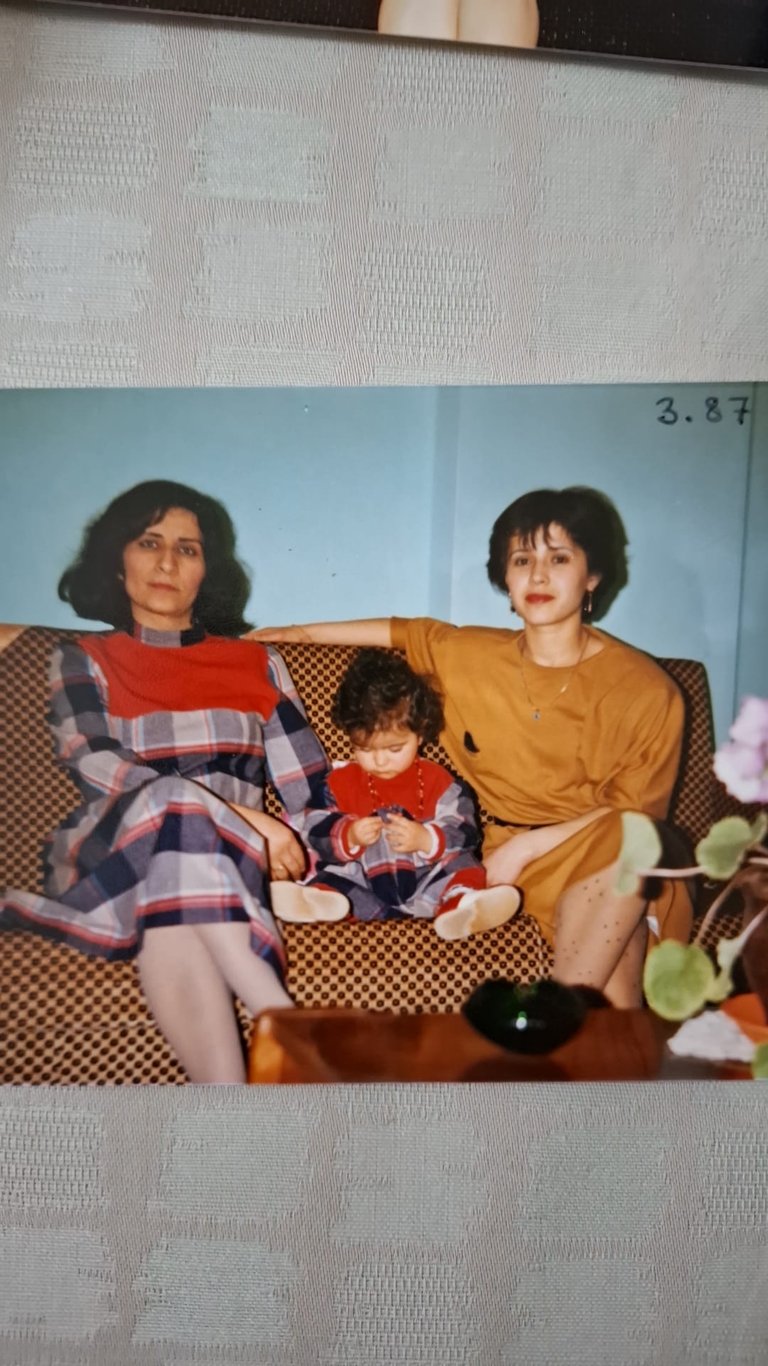
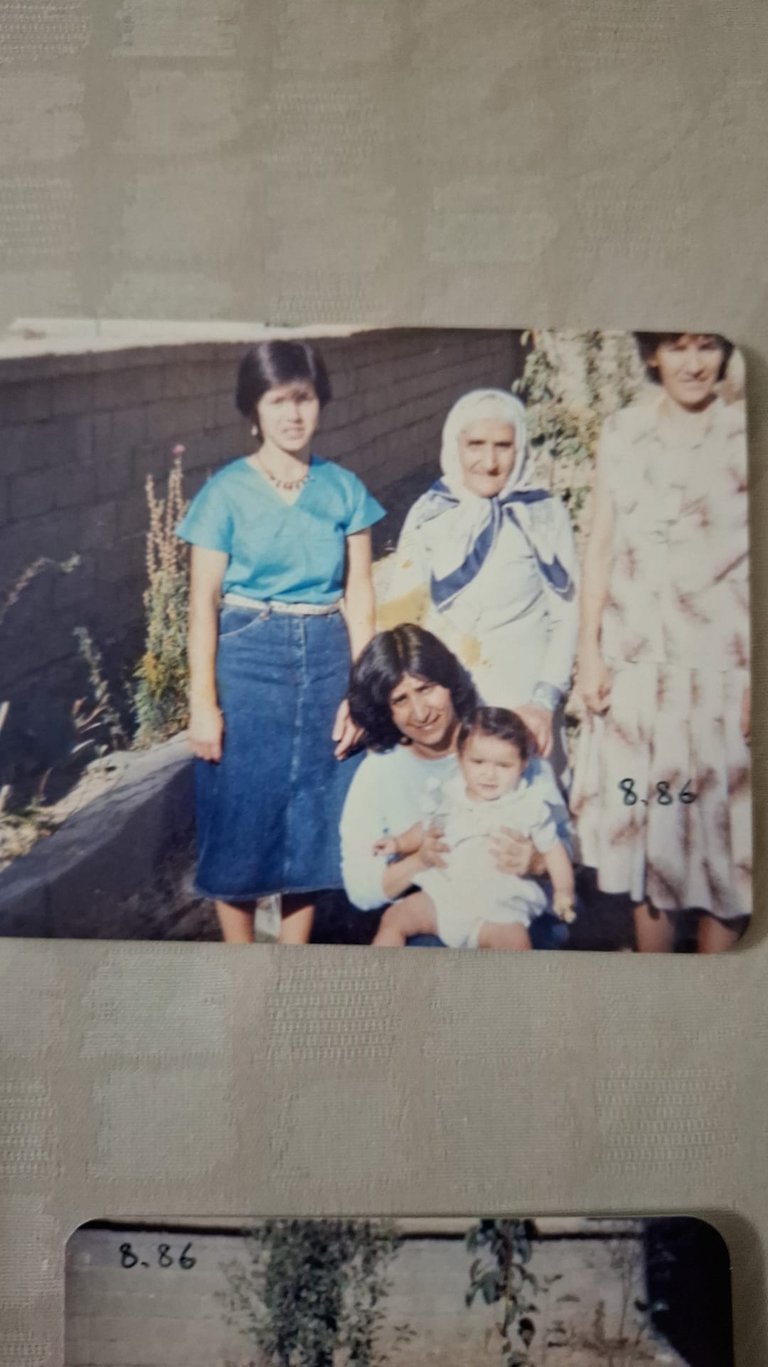
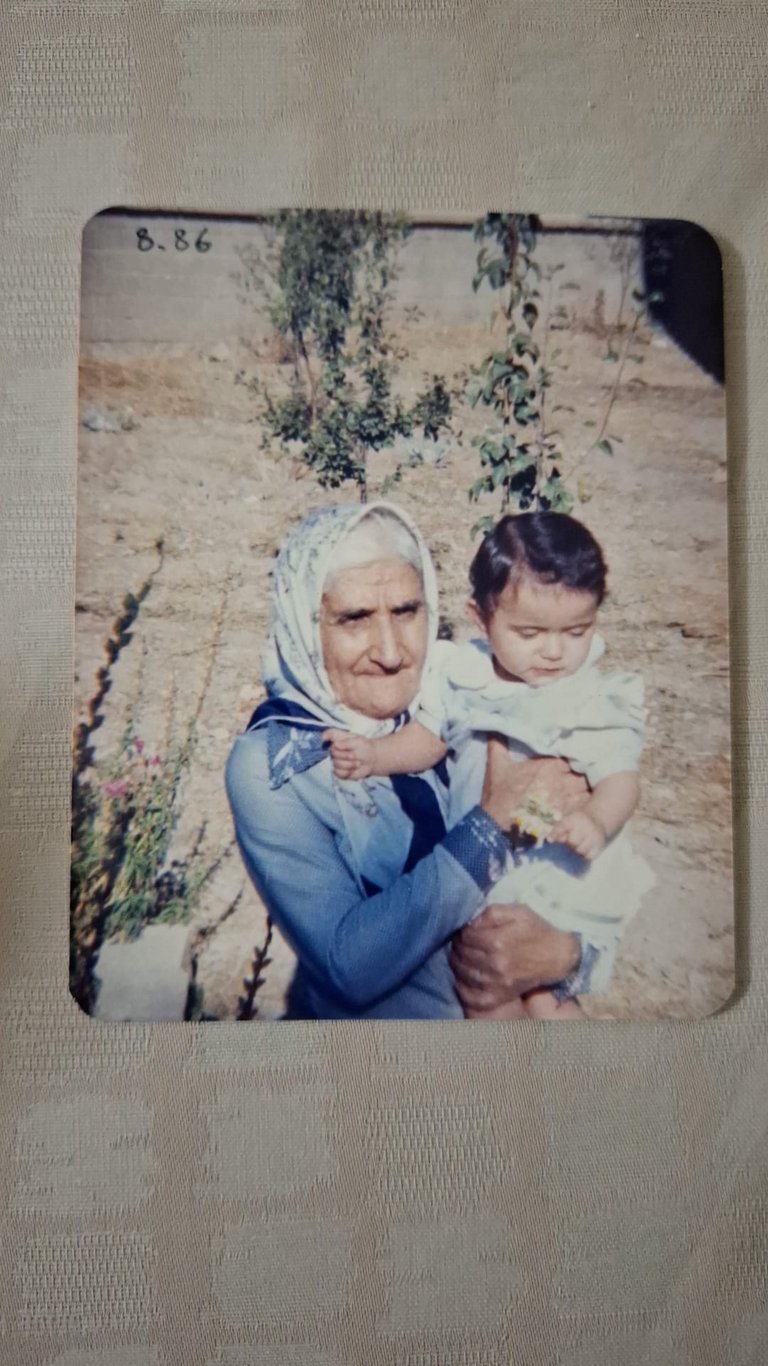
With my aunt, I could not ask the same questions about how it affected her life.
She has neurofibromatosis, a genetic condition that causes tumors to grow on nerves. These tumors are usually benign, but they can still cause serious problems depending on where they grow.
Her symptoms began when she was around five or six years old, as large soft bumps on her skin. At that age, she thought it was measles. As she says: “My friends also had measles. Theirs went away. Mine did not.”
Her father, who was a gendarme, took her to a large hospital in Muğla. Even today, rare diseases are difficult to diagnose; in the 1960s, it was even more so. The doctors could not diagnose her until 1966, in the city where they later settled. The doctor told her: “This disease will not go away. There is no treatment. You should not be upset. You will continue your life like this.” In 1975, another professor in İzmir confirmed the diagnosis with the same explanation: no treatment.
When I asked about her symptoms beyond the visible marks on her body and face, she told me she always felt weak, had little appetite, and was constantly tired. Over time, her pain increased. In 2020, due to internally growing tumors, she began to have difficulty walking and went to a more advanced hospital in Ankara. The only document she could show me reads:
“Patient diagnosed with neurofibromatosis and multiple schwannomas in the cervical and thoracolumbar regions.”
Radiotherapy did not help.
After some time, my aunt—who was known for her beautiful cooking—had to leave the kitchen to her sister, who is six years older. She also became dependent on her for care. Today, even basic daily tasks such as going to the bathroom or bathing are supported by her sister, who is nearly 80 years old.
As I said, I could not ask her if there was something she could not do because of her illness.
She did not continue school after primary education. My grandfather did not want to send her. She never married, and she never worked outside the home. My brother and I became her children.
I thought she might not remember the details. But she recalled even the names of the doctors she had seen, one by one, without hesitation.
Long life to you, my dear aunt—and to my father.
This is why I am writing this letter: to help create a space where stories like theirs are not overlooked, but recognized as part of how knowledge, care, and understanding are built, through YASJC and beyond.
-Mine (France)
Living with Autoimmune Thyroid & Atopic Dermatitis
Enhancing quality of life for young people with chronic skin and joint conditions across Europe through advocacy, education, and community support.
© 2026. All rights reserved.