Navigating Pregnancy and Motherhood with Chronic Illness: A Personal Letter
A letter written by Sara (Italy) about navigating pregnancy and early motherhood while living with chronic illness, exploring the hidden challenges of navigating pain, uncertainty, and fragmented care while becoming a mother.
5/12/20264 min read
Dear world,
Pregnancy and motherhood are often described as magical, transformative experiences. I wish I could say it was all rosy cheeks and baby kicks… it really wasn’t. Pregnancy can be lonely, and motherhood even more so. When you live with chronic illness, that loneliness deepens in ways that are hard to explain.
I live with rheumatoid arthritis, fibromyalgia, autoimmune thyroid disease, and chronic bowel inflammation. From the very beginning, my experience was anything but straightforward, as most days carried fears that I didn’t dare to say out loud. Would my daughter inherit my conditions? Could my chronic pain somehow reach her? What about the stress, could it shape her brain before she was even born?
Medication had always been my safety net. It allowed me, at times, to feel “normal,” to do “normal” things. But during pregnancy, that net was gone, and it felt like walking a tightrope without anything below to catch me. It was frightening, but also revealing because I had to slow down in ways I never had before. I had to listen, really listen, to my body. I had to let go of the idea of doing things “perfectly.” I often asked myself why that felt so difficult.
I learned that managing chronic illness isn’t only about medication. For me, it’s become mostly about pacing, mindset, and learning to sit with uncertainty without constantly trying to solve it. It’s also about finding creative ways not just to survive, but sometimes even to live fully within the pain and the anxiety that uncertainty often brings along.
As my due date approached, questions grew more urgent. I remember sitting in a hospital room being asked if I wanted an epidural, and being handed a long printed list of contraindications. I asked how my conditions could affect childbirth and how choosing to have an epidural might change that. There was no clear answer, as very little guidance exists on fibromyalgia and childbirth, let alone for someone navigating multiple chronic conditions at once. I found myself making choices without ever feeling fully informed, wondering what “safe” even meant in a body like mine.
I wasn’t afraid of childbirth itself or pain, not really. I was afraid that my body would let me down, as it had so many times before. Perhaps I just needed someone to tell me that my fear was legitimate, that my questions were valid, and that I wouldn’t face this alone.
What struck me most was not just the uncertainty, but the fragmentation. I felt like each specialist, whether it was a rheumatologist, a gynecologist, an endocrinologist, or a gastroenterologist, looked at one piece of me, but no one looked at the whole. The responsibility of holding everything together fell on me at one of the most vulnerable times in my life.
Many answers to my questions only came after my daughter was born, when the consequences of those choices were no longer theoretical, and they shaped not just the birth, but everything that followed.
Every pregnancy has a “before” and an “after”. Before, there’s anticipation and uncertainty… after, reality takes over. For me, that’s when the flares hit, some of the worst I’ve ever experienced. Caring for a tiny human while your own body refuses to cooperate was a particular kind of strain. There were days when I barely had time to shower, let alone focus on physical therapy, nutrition, mental health, or sleep. Sometimes, I had to choose between managing my pain and breastfeeding. There were also days of a different kind of exhaustion, where I felt confused, flat, almost useless, without fully understanding why. Was it hormones? Pain? Overwhelm? It was hard to tell.
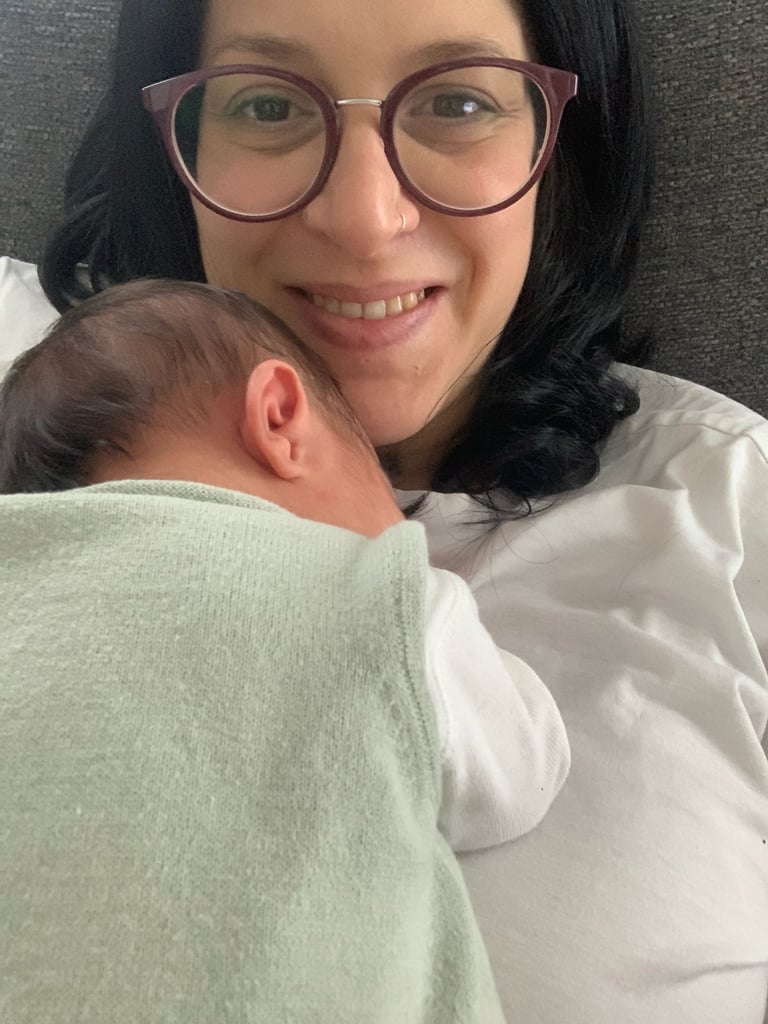
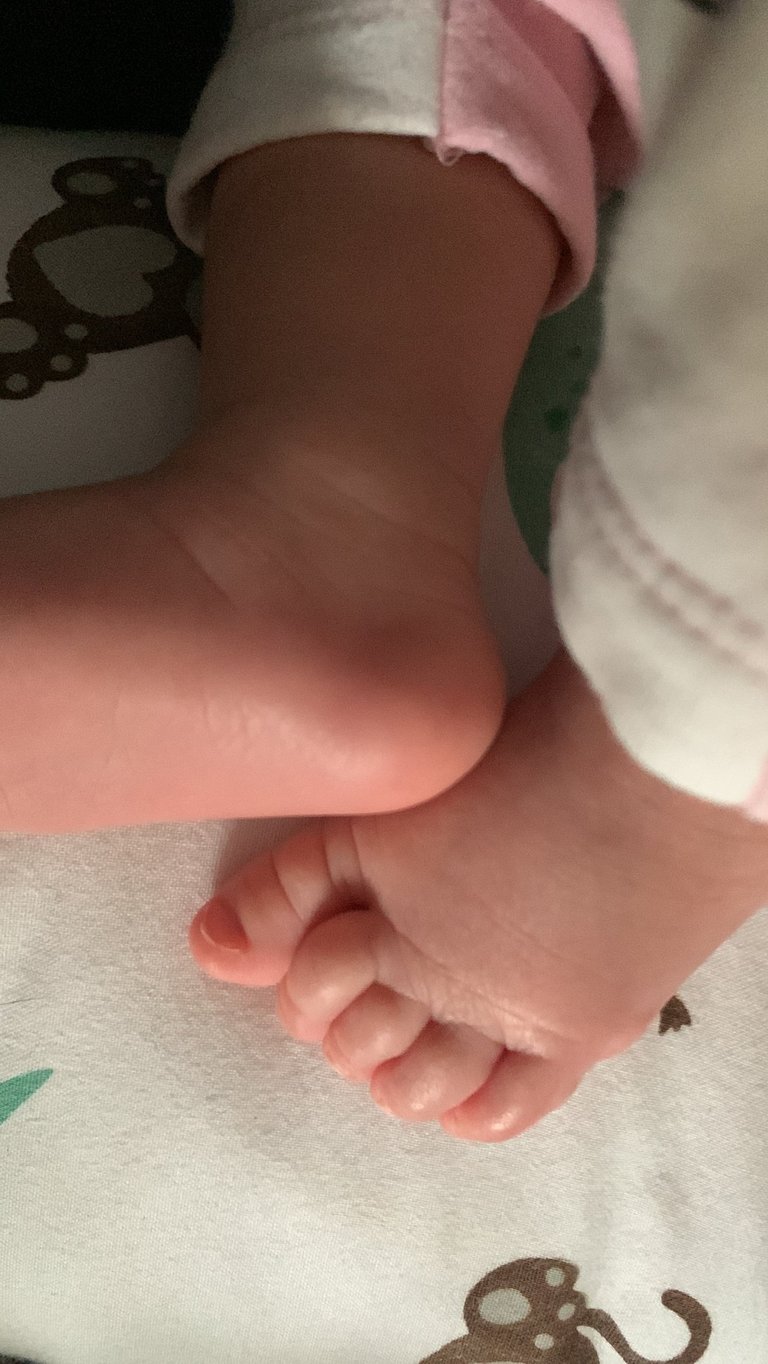
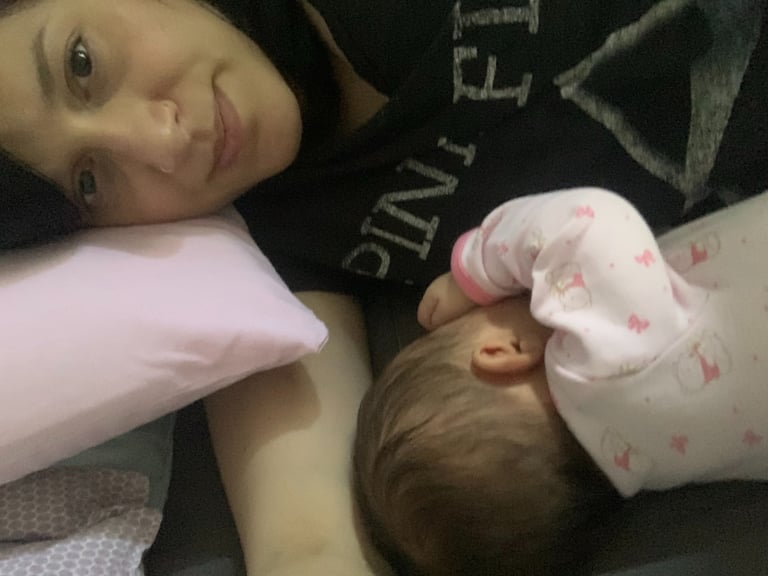
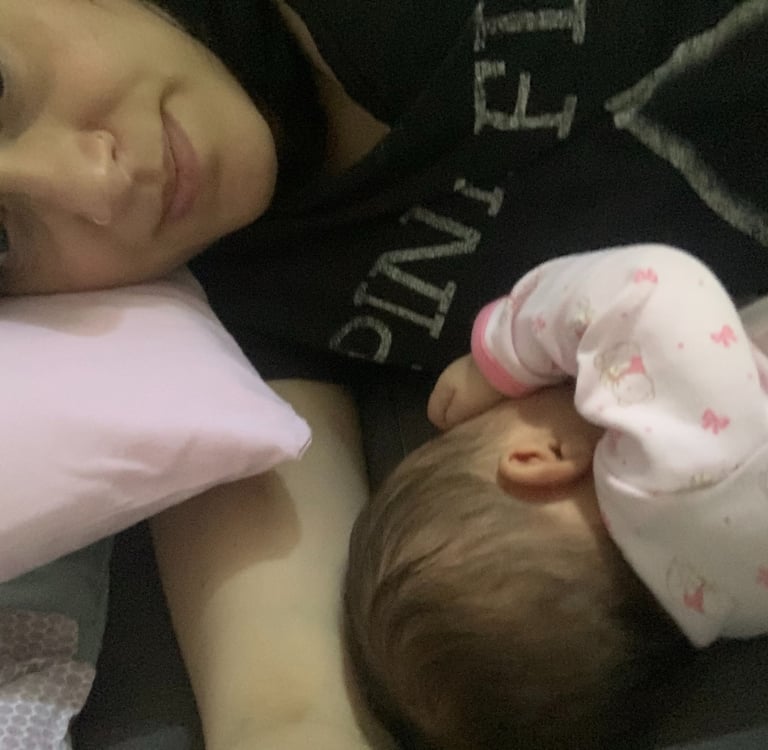
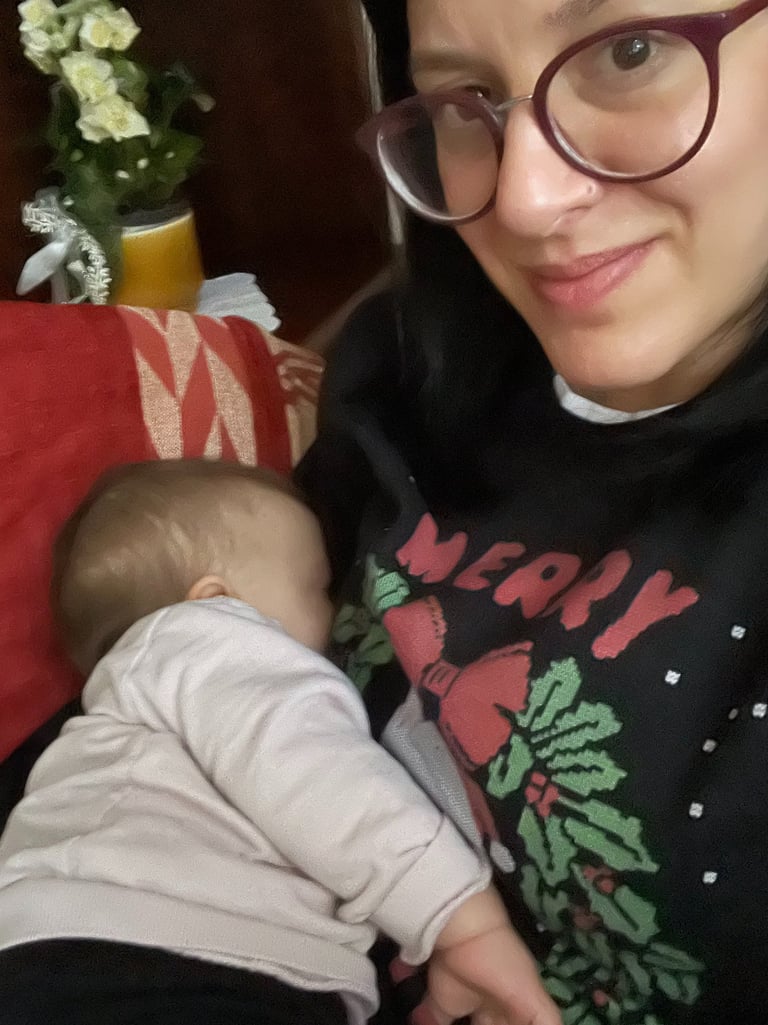
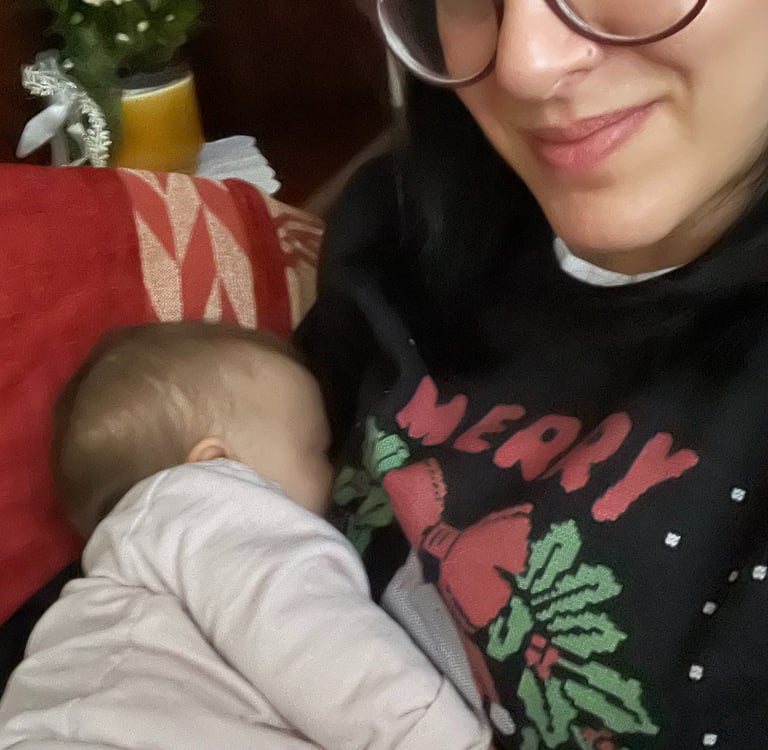
And yet, amid the struggles, there was joy in those tiny hands, puffy feet, and toothless smiles. I will always cherish the quiet moments of my baby breathing softly and sleeping on my chest. Chronic illness didn’t take those moments away; if anything, it made them sharper, more vivid, more precious.
In Italy, the consultori, which are public community health centres that support women and families before and after birth, were a rare point of continuity for me. They didn’t have all the answers, especially for complex cases like mine, but they offered something just as important: presence, listening, and human support. The monthly hospital check-ups during pregnancy reassured me that the baby was doing well, and the post-natal, baby weighing groups created space to share, ask, and simply feel less lonely. The fact that emergency care is always available, free of charge, is a comfort I deeply appreciate.
I was also lucky to take time off work when everything became too much. That time was essential, as it allowed me to slow down and build a strong support network around me. Public services and local initiatives didn’t solve everything, but they helped with this and made coping possible.
I’m aware that my story is only one version of how this can unfold. Not all pregnancies, and not all outcomes, are the same. Also, it would be simplistic to say that this experience made me stronger, but it did make some things clearer. For instance, I know I can adapt to many challenges, and that asking for help is not a weakness, it's rather how one can stay in the ring. But resilience alone is a fragile safety net that can easily break when you need stability the most.
Motherhood can feel like a circus, exhilarating one moment, hanging onto a broken trapeze the next. But no one should have to perform alone. Sometimes a hand, a smile, or someone helping to see the whole picture, that's the best kind of magic there is.
Enhancing quality of life for young people with chronic skin and joint conditions across Europe through advocacy, education, and community support.
© 2026. All rights reserved.